
Services
01.

Environmental Impact Assessments (EIAs)

We carryout Environmental Impact Assessments (EIA) for different projects. An EIA is a process of evaluating the likely environmental impacts of a proposed project or development, taking into account inter-related socio-economic, cultural and human-health impacts, both beneficial and adverse. The Government of Zimbabwe gazetted the Environmental Management Act in 2002 and S.I 7 of 2007 Environmental Impact Assessment and Ecosystems Protection) which compels prescribed projects listed under the
first schedule of the EMA Act (Cap 20:27) to undergo an EIA process prior to implementation.
02.

Social Impact Assessments Reports (SIAs)

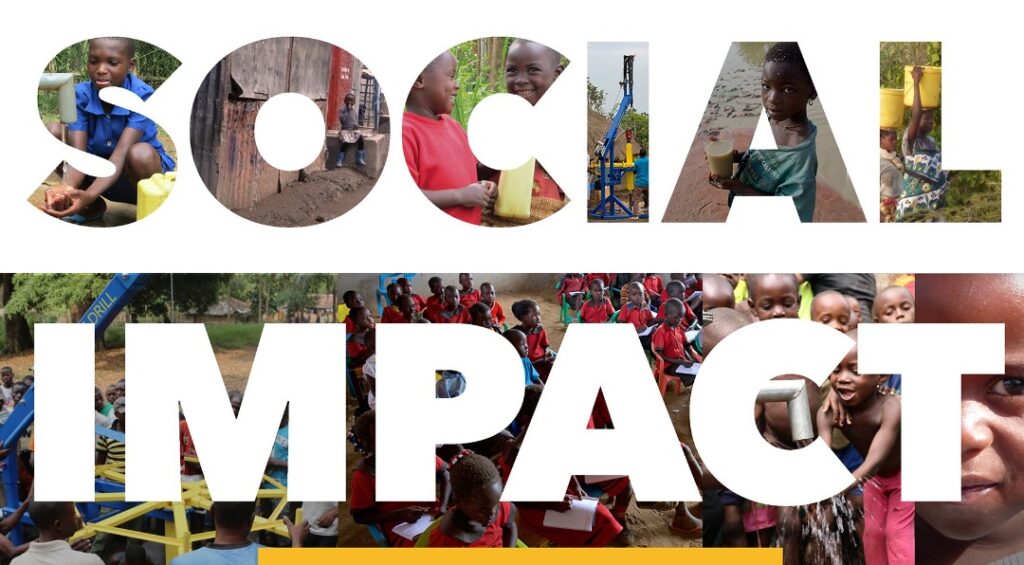
We also carryout Social Impact Assessment Studies for all the projects that we do.  A Social Impact Assessment is a process of research, planning and the management of social change or consequences (positive and negative, intended and unintended) arising from policies, plans, developments and projects (UNEP, 2007). The core focus of an SIA is on the important impacts of projects and developments beyond the impacts on natural resources. Examples of social impacts
include:
a) People’s way of life – that is, how they live, work, play and interact with one another on a day-to-day basis.
b) Their culture – that is, their shared beliefs, customs, values and language or dialect.
c) Their community – its cohesion, stability, character, services and facilities.
d) Their political systems – the extent to which people are able to participate in decisions that affect their lives, the level of democratization that is taking place, and the resources provided for this purpose.
e) Their health and well-being – health is a state of complete physical, mental, social and spiritual well-being and not merely the absence of disease or infirmity.
03.

Environmental Management Plans (EMP) and Quarterly Reports

Depending on the nature of the project and also the Prospectus response from EMA, some projects do not require a full EIA Study but an EMP. An Environmental Management Plan (EMP) can be defined as “an environmental management tool used to ensure that undue or reasonably avoidable adverse impacts of the construction, operation and decommissioning of a project are prevented; and that the positive benefits of the projects are enhanced”. EMPs are therefore important tools for ensuring that the management actions arising from Environmental Impact Assessment (EIA) processes are clearly defined and implemented through all phases of the project life-cycle. 
 
We also carryout Quarterly Environmental Progress reports for all EIA licensed projects that will require certificate renewal after 2 years. The submission of these reports to EMA will make the EIA Certificate renewal process easy for the proponent after its expiry.
04.

Resource Efficiency and Cleaner Production (RECP) Training and Consultancy

We also offer consultancy and training services for RECP especially in Manufacturing Industries in Zimbabwe. In practical terms, RECP entails the continuous application of preventive environmental strategies to processes, products and services in order to increase efficiency and reduce risks to humans and the environment. RECP addresses the three sustainability dimensions individually and synergistically:
a) heightened economic performance through improved productive use of resources,
b) environmental protection by conserving resources and minimizing industry’s impact on the natural environment, and
c) social enhancement by providing jobs and protecting the wellbeing of workers and local communities.

05.

Safety, Health and Environmental Quality (SHEQ) Training and Consultancy

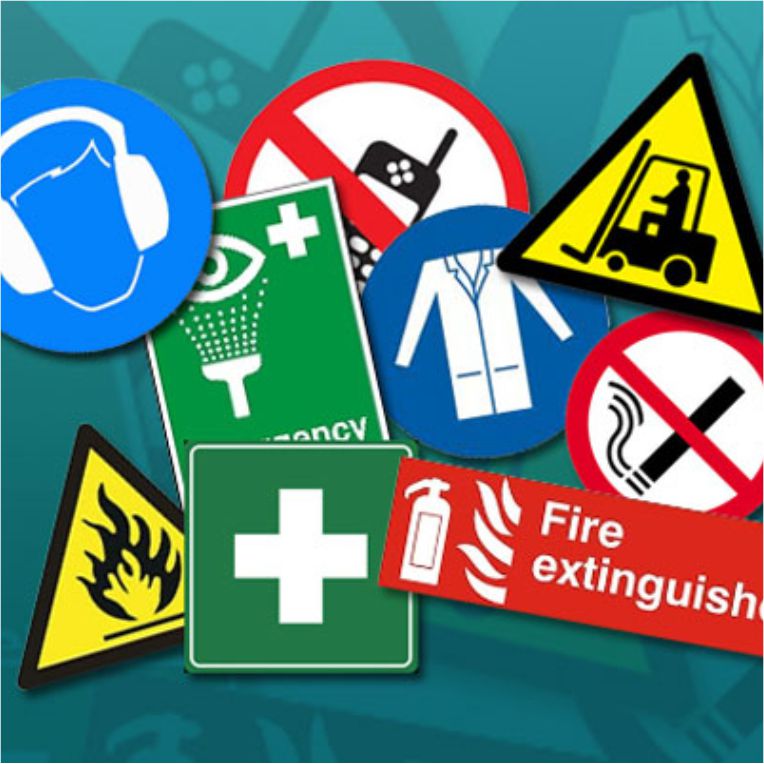
We offer SHEQ training and consultancy services to manufacturing and production industries and also mining companies. SHEQ is a discipline and specialty that studies and implements practical aspects of environmental protection and safety at work. In simple terms it is what organizations must do to make sure that their activities do not cause harm to anyone.

06.

Ecological and Archaeological Impact Assessment Studies

We also carry out Ecological and Archaeological studies for all our EIA studies depending on the location of the project. An Ecological Impact Assessment is formally required under an EIA, but can also be usefully employed on any development project to identify significant ecological impacts. Interpretation of the survey data enables an assessment of the ecological impact of the development (e.g. loss of habitat); the magnitude of the impact (including positive and negative effects); and the significance of these, depending on the value of what is affected and how much. 
An Archaeological Impact Assessment (AIA) identifies if archaeological resources are in conflict through visual inspection and subsurface testing prior to ground alteration.
The assessment includes visual inspection to identify features with predictable archaeological potential, surface inspection of areas with exposed sediments for cultural materials and subsurface testing of terrain features exhibiting archaeological potential.
Scroll to Top